고정 헤더 영역
상세 컨텐츠
본문 제목
"The Global Race to Slash Battery Costs: Automakers Speed Up to Outpace Chinese Competitors"
본문
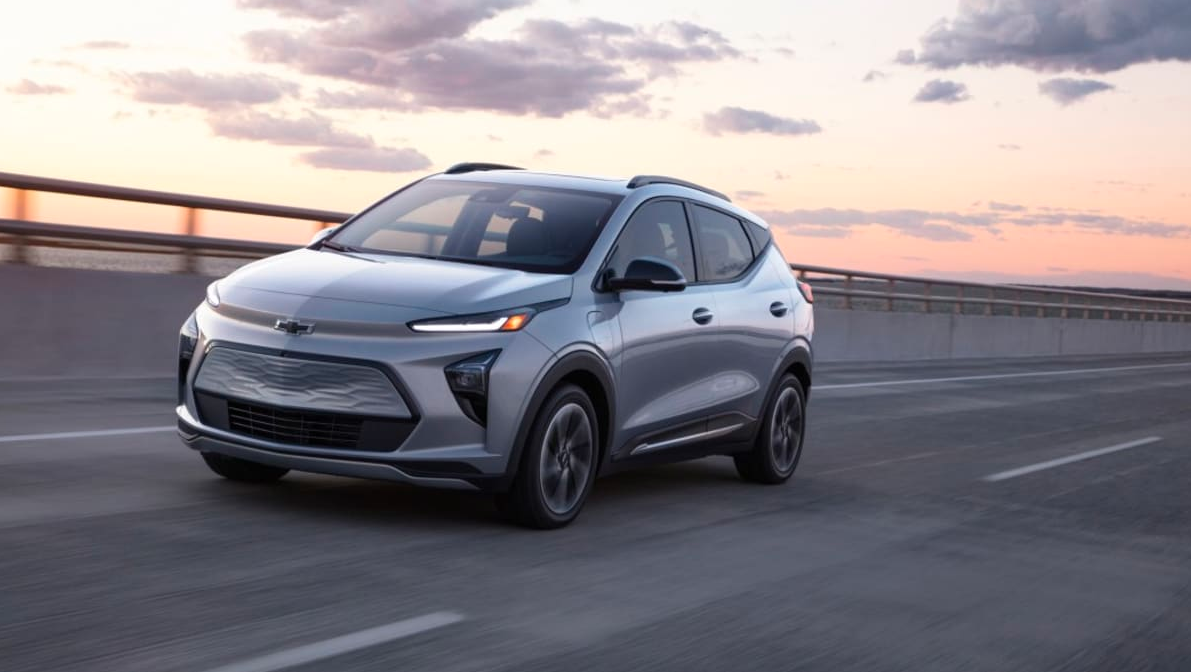
In the rapidly evolving landscape of electric vehicles (EVs), automakers worldwide find themselves in a high-stakes race to reduce battery costs, a critical factor in making EVs more affordable and appealing to the mass market. The urgency is further heightened by the formidable competition posed by Chinese companies, which have aggressively invested in battery technology. This article explores the current state of the global automotive industry, the challenges and opportunities in reducing battery costs, and how automakers are strategizing to stay ahead in the race against their Chinese counterparts.
The Electric Revolution: A Paradigm Shift in the Auto Industry
The automotive industry is undergoing a profound transformation as it pivots towards electric mobility, driven by a collective commitment to sustainability, stricter emission regulations, and the growing awareness of climate change. Electric vehicles, once considered a niche market, are now at the forefront of industry agendas, with major automakers pledging to transition their fleets to electric power in the coming decades.
The central component propelling this electric revolution is the battery—the beating heart of any electric vehicle. However, the cost of manufacturing batteries has long been a significant barrier preventing the widespread adoption of EVs. As automakers navigate this transition, reducing battery costs has become a top priority, with implications for both the industry's future and the global shift towards cleaner transportation.
The Chinese Challenge: Aggressive Investments in Battery Technology
China, often seen as the world's largest automotive market, has positioned itself as a formidable player in the electric vehicle space. Chinese companies, both established automakers and ambitious startups, have made substantial investments in battery technology, fostering a robust ecosystem that spans production, research, and development.
Companies like CATL (Contemporary Amperex Technology Co. Limited) and BYD (Build Your Dreams) have emerged as global leaders in battery manufacturing, supplying not only Chinese automakers but also forging partnerships with international players. China's strategic focus on dominating the electric vehicle market has raised concerns among traditional automakers in Europe, the United States, and other regions, prompting a renewed sense of urgency to innovate and reduce battery costs.
The Cost Conundrum: A Barrier to Mass Adoption
Reducing battery costs is crucial for achieving the long-promised parity between electric and internal combustion engine (ICE) vehicles. As of now, the high cost of batteries remains one of the main reasons behind the relatively higher price tags of electric vehicles. While advancements in technology have led to a steady decline in battery costs over the years, achieving further reductions is imperative to make EVs more accessible to a broader consumer base.
Battery costs consist of various components, including raw materials, manufacturing processes, research and development, and economies of scale. The race to slash these costs involves a multi-faceted approach that encompasses technological innovation, streamlined production processes, sustainable sourcing of materials, and strategic collaborations within the industry.
Technological Innovations: The Key to Cost Reduction
Advancements in battery technology play a pivotal role in driving down costs. One of the primary strategies involves improving the energy density of batteries, allowing vehicles to travel longer distances on a single charge. This not only enhances the overall performance of electric vehicles but also reduces the need for larger and more expensive battery packs.
In recent years, solid-state batteries have emerged as a promising technological frontier. Solid-state batteries offer advantages such as higher energy density, faster charging times, and improved safety compared to traditional lithium-ion batteries. As automakers invest in research and development to bring solid-state technology to the market, the potential for further cost reductions becomes a tangible prospect.
Economies of Scale: Production Volumes as Cost-Reduction Catalysts
The principle of economies of scale is central to the automotive industry's strategy in reducing battery costs. As the production volume of electric vehicles increases, the per-unit cost of manufacturing batteries decreases. This is because fixed costs, such as research and development, facility expenses, and tooling, are spread across a larger number of units, making each unit more cost-effective to produce.
Automakers are actively working to scale up their production capacities for electric vehicles. This includes investments in new manufacturing facilities dedicated to EVs, as well as retrofitting existing plants to accommodate electric vehicle production. The goal is to achieve a tipping point where the cost of producing electric vehicles converges with, or even surpasses, the cost of manufacturing traditional internal combustion engine vehicles.
Sustainable Materials and Supply Chain Strategies
The push for sustainability extends beyond the environmental benefits of electric vehicles to include the materials used in manufacturing batteries. The supply chain for battery components, particularly minerals like cobalt, lithium, and nickel, has come under scrutiny for ethical and environmental reasons. Automakers are exploring alternatives and implementing responsible sourcing practices to mitigate the environmental impact of battery production.
Additionally, securing a stable and diversified supply chain for critical materials is crucial for the resilience of the electric vehicle industry. Given the geopolitical complexities associated with the production of key battery materials, automakers are strategizing to reduce dependence on specific regions and enhance the security of their supply chains.
Collaborative Initiatives: Industry-wide Cooperation
Recognizing the shared challenges and goals in reducing battery costs, automakers are increasingly engaging in collaborative initiatives. Joint ventures, partnerships, and consortia are forming across the industry to pool resources, share research findings, and accelerate the development of cost-effective battery technologies.
Collaborations extend beyond traditional automakers to include partnerships between automakers and battery manufacturers, as well as alliances between companies specializing in different aspects of the electric vehicle ecosystem. These collaborative efforts are designed to create synergies that drive innovation and efficiency across the entire value chain.
The Role of Governments: Incentives and Regulations
Governments around the world play a pivotal role in shaping the trajectory of the electric vehicle industry. Incentives, subsidies, and regulatory frameworks influence consumer adoption, automaker strategies, and the overall direction of the market.
Incentives such as tax credits for electric vehicle purchases, grants for research and development, and subsidies for charging infrastructure contribute to the economic viability of electric vehicles. Regulatory measures, including emissions standards and bans on the sale of new internal combustion engine vehicles, provide a clear signal to automakers regarding the inevitability of the electric transition.
The Global Landscape: Regional Variances and Market Dynamics
While the race to reduce battery costs is a global phenomenon, regional dynamics and market conditions contribute to variations in approaches and timelines. In Europe, where stringent emissions regulations and a strong focus on sustainability prevail, automakers are accelerating their electric strategies. In the United States, the Biden administration's commitment to combating climate change has set the stage for increased support and investments in electric vehicles.


